7 Ways to Develop Self-Acceptance Through Meditation takes you on a journey of self-discovery and growth, exploring how meditation can be a powerful tool in cultivating self-acceptance.
Discover the transformative impact of meditation on self-awareness, self-compassion, and overall well-being as we delve into practical tips and real-life examples.
Discuss the importance of self-acceptance in personal growth.
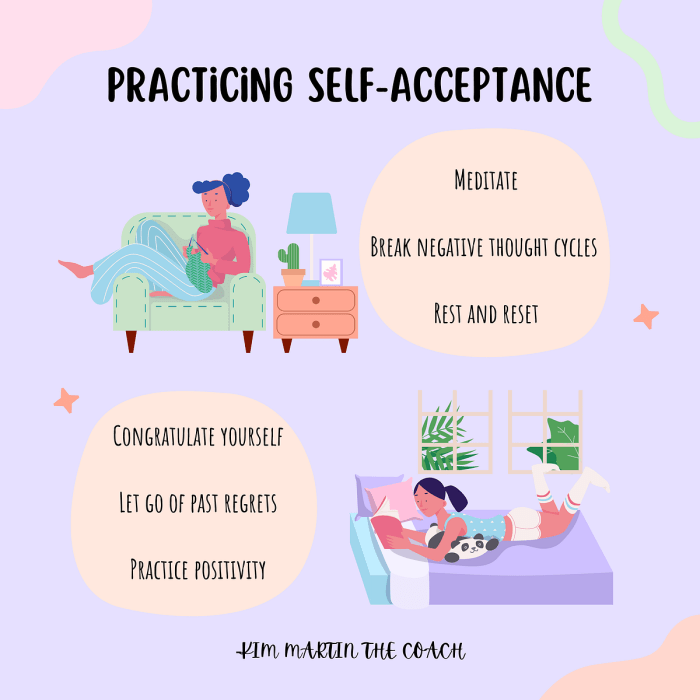
Self-acceptance plays a crucial role in personal growth as it allows individuals to embrace their true selves, flaws, and all. By accepting who we are, we can focus on self-improvement rather than being hindered by self-criticism and doubt. This positive mindset enables us to pursue our goals with confidence and resilience.
Impact of self-acceptance on mental well-being.
Self-acceptance is closely linked to mental well-being as it helps individuals develop a healthy relationship with themselves. When we accept ourselves unconditionally, we reduce feelings of anxiety, depression, and low self-esteem. This leads to improved emotional stability and a greater sense of inner peace.
Examples of how self-acceptance can improve relationships with others.
1. Increased Empathy
Self-acceptance allows individuals to be more empathetic towards others, as they are more understanding and compassionate towards themselves.
2. Authentic Connections
When we accept ourselves, we can form genuine and meaningful relationships with others based on honesty and vulnerability.
3. Conflict Resolution
Self-acceptance enables individuals to communicate effectively in relationships, leading to better conflict resolution and strengthened bonds.
Ways in which self-acceptance leads to overall life satisfaction.
- Enhanced Self-Esteem: Self-acceptance boosts self-esteem and self-worth, leading to a more positive self-image.
- Emotional Resilience: Accepting ourselves helps us navigate life’s challenges with resilience and grace.
- Fulfillment in Relationships: When we accept ourselves, we attract healthier relationships that contribute to our overall happiness.
- Pursuit of Authenticity: Self-acceptance encourages us to live authentically, pursuing goals and aspirations that align with our true selves.
Explore the concept of meditation and its role in promoting self-acceptance.
Meditation plays a crucial role in promoting self-acceptance by allowing individuals to connect with their inner selves, cultivate self-awareness, and develop a sense of compassion towards themselves. It provides a space for individuals to observe their thoughts and emotions without judgment, leading to greater self-understanding and acceptance.
Different Meditation Techniques for Developing Self-Acceptance
- Guided Meditation: Involves following the instructions of a guide to focus on self-acceptance affirmations and positive thoughts.
- Mantra Meditation: Repeating a positive affirmation or mantra can help shift negative self-perceptions towards self-acceptance.
- Body Scan Meditation: By scanning the body for sensations and being present in the moment, individuals can foster a deeper connection with themselves and promote self-acceptance.
Mindfulness Meditation for Self-Acceptance, 7 Ways to Develop Self-Acceptance Through Meditation
- Practicing mindfulness meditation involves being fully present in the moment, observing thoughts and emotions without judgment, and cultivating self-compassion.
- By developing a non-reactive awareness of one’s thoughts and feelings, individuals can learn to accept themselves as they are, embracing both their strengths and weaknesses.
Connection Between Meditation and Self-Awareness
- Meditation enhances self-awareness by promoting introspection, mindfulness, and a deeper understanding of one’s inner experiences.
- Through regular meditation practice, individuals can become more attuned to their thoughts, emotions, and patterns of behavior, leading to greater self-awareness and self-acceptance.
Provide practical tips for integrating meditation into a daily routine.

Incorporating meditation into your daily routine can have a profound impact on your overall well-being. Here are some practical tips to help you seamlessly integrate meditation into your day:
Creating a peaceful meditation space at home
Creating a tranquil meditation space at home is essential for a successful practice. Here are some strategies to help you establish a peaceful environment:
- A designated area: Set aside a specific area in your home that is free from distractions.
- A comfortable seat: Choose a comfortable cushion or chair to sit on during meditation.
- Ambient lighting: Soft, natural lighting can create a calming atmosphere for meditation.
- Personal touches: Add elements like candles, plants, or calming scents to personalize your meditation space.
Benefits of setting aside dedicated time for meditation
Setting aside dedicated time for meditation each day can offer numerous benefits to your mental and emotional well-being. Some advantages include:
- Reduced stress and anxiety levels
- Improved focus and concentration
- Enhanced self-awareness and mindfulness
- Increased feelings of calm and relaxation
Impact of consistency in meditation practice on self-acceptance
Consistency is key when it comes to reaping the full benefits of meditation, especially in terms of promoting self-acceptance. Regular practice can lead to:
- Greater self-awareness and self-compassion
- Improved emotional regulation and resilience
- Enhanced ability to let go of self-criticism and negative self-talk
- Overall increased sense of self-acceptance and self-love
Explain how meditation can help individuals cultivate self-compassion.

Meditation serves as a powerful tool in nurturing self-compassion, which involves treating oneself with kindness and understanding, especially in times of struggle or failure. By practicing meditation regularly, individuals can develop a deeper sense of empathy and compassion towards themselves, fostering a more positive and nurturing inner dialogue.
Comparison of Self-Acceptance and Self-Compassion in the Context of Meditation
- Self-acceptance involves acknowledging and embracing all aspects of oneself, including flaws and imperfections, without judgment. On the other hand, self-compassion goes beyond acceptance by actively extending kindness and understanding towards oneself, especially during difficult moments.
- While self-acceptance focuses on recognizing one’s worth regardless of achievements or failures, self-compassion adds a layer of emotional support and care, creating a more nurturing environment within one’s mind through meditation practices.
- Both self-acceptance and self-compassion are essential components of a healthy self-image, with meditation playing a crucial role in fostering these qualities by promoting self-awareness and emotional regulation.
Personal Anecdotes on Meditation and Self-Compassion
- Through consistent meditation practice, I’ve learned to treat myself with the same kindness and compassion I would offer to a loved one facing a challenging situation. This shift in perspective has allowed me to navigate life’s ups and downs with greater resilience and self-compassion.
- By incorporating mindfulness meditation into my daily routine, I’ve noticed a significant improvement in my ability to respond to self-criticism with gentleness and understanding, fostering a more compassionate relationship with myself over time.
Importance of Self-Compassion in Cultivating a Healthier Self-Image
- Self-compassion plays a crucial role in shaping a healthier self-image by promoting self-forgiveness, resilience, and emotional well-being. Through meditation practices that emphasize self-compassion, individuals can cultivate a more positive and nurturing relationship with themselves, leading to increased confidence and self-acceptance.
- Research has shown that individuals who practice self-compassion through meditation experience lower levels of stress, anxiety, and depression, highlighting the profound impact of self-compassion on overall mental health and well-being.
Explore the connection between meditation, self-reflection, and self-acceptance.: 7 Ways To Develop Self-Acceptance Through Meditation
Self-reflection is a crucial component of self-acceptance, and meditation serves as a powerful tool to facilitate this process. By engaging in mindfulness practices during meditation, individuals can enhance their self-awareness and cultivate a deeper understanding of themselves, leading to greater self-acceptance.
Examples of how meditation can facilitate self-reflection:
- Mindful breathing exercises can help individuals focus on their thoughts and emotions, allowing them to explore their inner feelings and beliefs.
- Body scan meditations enable individuals to connect with their physical sensations and notice areas of tension or discomfort, leading to self-awareness and reflection.
- Guided visualizations during meditation can encourage individuals to visualize their ideal selves and reflect on the steps needed to align with their authentic identity.
The role of self-awareness in the journey towards self-acceptance through meditation:
- Self-awareness cultivated through meditation allows individuals to recognize their strengths, weaknesses, and areas for growth without judgment.
- By becoming more aware of their thoughts and emotions, individuals can develop a compassionate attitude towards themselves, fostering self-acceptance.
How mindfulness practices during meditation can enhance self-reflection:
- Practicing mindfulness involves observing thoughts and feelings without attachment, which can help individuals identify patterns of self-criticism and negative self-talk.
- Through mindfulness, individuals can learn to acknowledge their inner experiences with kindness and curiosity, promoting a sense of self-acceptance and understanding.
Discuss the challenges individuals may face when trying to develop self-acceptance through meditation.
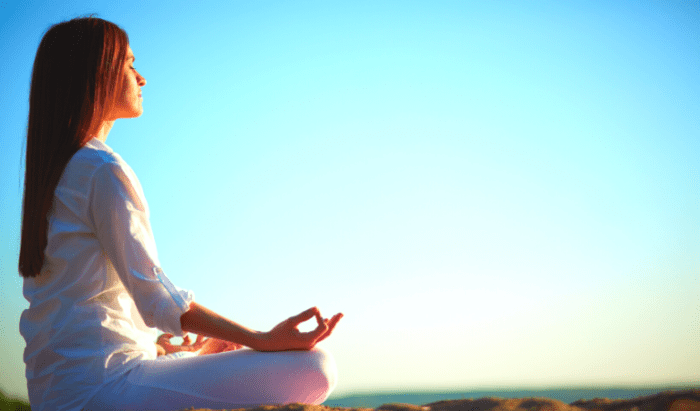
Developing self-acceptance through meditation can be a transformative journey, but it’s not without its challenges. Individuals may encounter various obstacles that hinder their progress in achieving self-acceptance. These challenges can stem from deep-rooted self-doubt, negative self-perceptions, and a lack of motivation to continue the practice. Overcoming these hurdles is essential to truly embrace oneself and cultivate a sense of inner peace and acceptance.
Identify common obstacles that can hinder progress in self-acceptance.
- Comparison to others: Constantly comparing oneself to others can lead to feelings of inadequacy and prevent self-acceptance.
- Inner critic: The harsh inner voice that criticizes and belittles oneself can sabotage efforts towards self-acceptance.
- Past traumas: Unresolved past traumas or negative experiences can create barriers to accepting oneself fully.
Share strategies for overcoming self-doubt and negative self-perceptions during meditation.
- Practice self-compassion: Treat yourself with kindness and understanding during meditation, acknowledging that everyone has flaws and imperfections.
- Challenge negative thoughts: When negative self-perceptions arise during meditation, challenge them with positive affirmations and gentle redirection of focus.
- Cultivate gratitude: Focus on aspects of yourself that you appreciate and are grateful for, shifting the focus from self-criticism to self-acceptance.
Provide tips for staying motivated and consistent in the practice of self-acceptance through meditation.
- Set realistic goals: Start with small, achievable goals in your meditation practice to avoid feeling overwhelmed or discouraged.
- Establish a routine: Incorporate meditation into your daily schedule, making it a regular habit that becomes part of your self-care routine.
- Seek support: Connect with a meditation group or a therapist who can provide guidance and encouragement on your journey towards self-acceptance.
Share success stories or testimonials of individuals who have experienced significant growth in self-acceptance through meditation.

Self-acceptance through meditation has led many individuals to experience profound transformations in their lives. Let’s explore some success stories and testimonials that showcase the power of meditation in fostering self-acceptance.
Transformation Through Regular Meditation Practice
- One individual, Sarah, struggled with low self-esteem and constant self-criticism. Through a daily meditation practice focused on self-compassion and acceptance, Sarah gradually began to view herself with more kindness and understanding. This shift in perspective allowed her to let go of self-limiting beliefs and embrace her true worth.
- Another success story is Mark, who battled with feelings of unworthiness and inadequacy for years. By committing to a consistent meditation routine, Mark learned to challenge his negative thoughts and replace them with self-affirming beliefs. Over time, he developed a deep sense of self-acceptance and inner peace.
Overcoming Self-Limiting Beliefs and Embracing Self-Acceptance
Meditation helped individuals like Sarah and Mark break free from the chains of self-doubt and self-criticism, allowing them to cultivate a strong sense of self-acceptance and self-love.
- Through the practice of mindfulness meditation, individuals can observe their negative thought patterns without judgment, creating space for self-compassion to grow. This shift in mindset enables individuals to challenge and reframe self-limiting beliefs, paving the way for greater self-acceptance.
Long-Term Benefits of Developing Self-Acceptance Through Meditation
- Individuals who have embraced self-acceptance through meditation report an overall improvement in their mental well-being and emotional resilience. They experience reduced stress levels, increased self-confidence, and a greater sense of inner peace.
- Moreover, the long-term practice of self-acceptance through meditation enhances relationships with others, as individuals learn to approach themselves and others with kindness, empathy, and understanding.
Final Summary
Embark on a path to self-acceptance through meditation and witness the profound changes it can bring to your life. Embrace a new perspective on yourself and your relationships as you nurture a sense of inner peace and contentment.