8 Ways Meditation Enhances Mental Flexibility sets the stage for a deep dive into the benefits of meditation, offering readers a glimpse into how this practice can transform cognitive abilities and enhance mental well-being.
Delve into the various forms of meditation, its impact on cognitive skills, creativity, stress reduction, resilience, decision-making, and self-awareness.
Introduction to Mental Flexibility
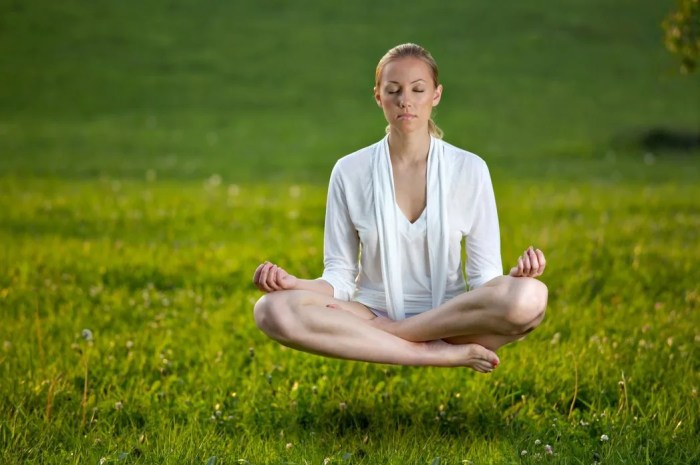
Mental flexibility refers to the ability of the mind to adapt and adjust to new situations, ideas, or tasks. It involves being open to change, considering different perspectives, and shifting cognitive strategies when needed.
Having mental flexibility is crucial in everyday life as it allows individuals to navigate challenges, solve problems creatively, and make decisions efficiently. It helps in managing stress, improving communication, and fostering resilience in the face of adversity.
Importance of Mental Flexibility
- Enhances Problem-Solving Skills: Mental flexibility enables individuals to approach problems from various angles and come up with innovative solutions.
- Boosts Adaptability: Being mentally flexible allows one to quickly adjust to changes in the environment or circumstances.
- Promotes Emotional Regulation: It helps in controlling emotions, reducing impulsivity, and managing conflicts effectively.
- Supports Learning and Growth: Mental flexibility facilitates learning new skills, acquiring knowledge, and expanding one’s horizons.
Understanding Meditation
Meditation is a practice that involves focusing the mind and eliminating distractions to achieve a state of clarity and inner peace. There are various forms of meditation, each with its unique techniques and benefits. Some common types include mindfulness meditation, transcendental meditation, loving-kindness meditation, and guided meditation.
History and Cultural Significance, 8 Ways Meditation Enhances Mental Flexibility
Meditation has a rich history dating back thousands of years and is deeply rooted in various cultures and traditions. Originating from ancient Eastern practices, meditation has been used in spiritual and religious contexts to cultivate awareness, compassion, and enlightenment. Over time, meditation has gained popularity worldwide and has been integrated into modern wellness and mental health practices.
Mental Well-being Benefits
- Meditation helps reduce stress and anxiety by calming the mind and promoting relaxation.
- It enhances focus and concentration, improving cognitive function and productivity.
- Meditation fosters emotional resilience, enabling individuals to better manage their thoughts and reactions.
- Regular meditation practice can lead to increased self-awareness and a greater sense of overall well-being.
Enhancing Cognitive Skills through Meditation
Meditation has been shown to have a profound impact on cognitive functions, including attention, memory, and problem-solving. By incorporating meditation into your daily routine, you can enhance these essential cognitive skills, leading to improved mental clarity and performance.
Improved Attention Span
- Meditation helps train the mind to focus and sustain attention on a specific object or thought, increasing overall attention span.
- Research has shown that regular meditation practice can lead to improvements in sustained attention and the ability to ignore distractions.
- Individuals who meditate often report being more present and attentive in their daily activities.
Enhanced Memory Function
- Studies have demonstrated that meditation can improve both short-term and long-term memory retention.
- Regular meditation practice has been linked to increased gray matter density in brain regions associated with memory processing.
- People who meditate regularly often experience better recall and retention of information.
Boosted Problem-Solving Skills
- Meditation encourages a calmer and more focused mindset, which can enhance problem-solving abilities by promoting creative thinking and reducing stress.
- Research suggests that meditation can improve cognitive flexibility, allowing individuals to approach challenges from different perspectives.
- Many successful individuals credit their meditation practice for helping them navigate complex problems with ease.
Boosting Creativity and Innovation

Meditation has been shown to significantly boost creativity and innovation by enhancing cognitive flexibility and reducing mental clutter. When the mind is clear and focused, new ideas can flow more freely, leading to innovative thinking and problem-solving.
Examples of Famous Individuals
- Steve Jobs, co-founder of Apple, was known to practice meditation regularly. He credited his creativity and ability to think outside the box to his meditation practice.
- Author Elizabeth Gilbert, known for her book “Eat, Pray, Love,” has spoken about how meditation helps her tap into her creativity and find inspiration for her writing.
- Artist Marina Abramović incorporates meditation into her artistic process, allowing her to explore new ideas and push the boundaries of performance art.
Mechanisms Behind Enhanced Creativity
Meditation helps quiet the default mode network in the brain, which is responsible for mind-wandering and self-referential thoughts. By calming this part of the brain, individuals can access more divergent thinking and come up with innovative solutions.
Additionally, meditation increases gray matter in the brain, particularly in areas associated with creativity and problem-solving. This structural change can lead to improved cognitive function and enhanced creative abilities.
Stress Reduction and Emotional Regulation
Meditation plays a crucial role in reducing stress levels and enhancing emotional regulation. By incorporating meditation practices into your daily routine, you can effectively manage your emotions and cultivate a sense of inner calm and balance.
Techniques for Stress Relief and Emotional Balance
- Deep Breathing: Focus on your breath and take slow, deep breaths to calm your mind and body.
- Body Scan Meditation: Scan your body from head to toe, releasing any tension or stress you may be holding onto.
- Loving-Kindness Meditation: Cultivate feelings of compassion and goodwill towards yourself and others to promote emotional well-being.
- Mindfulness Meditation: Practice being present in the moment without judgment, allowing you to observe your thoughts and emotions without getting caught up in them.
Long-Term Impact on Emotional Well-Being
Meditation not only provides immediate relief from stress and helps regulate emotions, but it also has long-lasting effects on emotional well-being. Regular meditation practice can rewire the brain, creating new pathways that promote emotional resilience and a greater sense of overall well-being.
Building Resilience and Adaptability
Meditation not only enhances mental flexibility but also plays a crucial role in building resilience and adaptability in individuals. By cultivating a sense of mindfulness and emotional regulation, meditation helps individuals navigate challenging situations with greater ease and grace.
Resilience through Meditation
- Meditation teaches individuals to stay present and calm in the face of adversity, allowing them to bounce back from setbacks more effectively.
- Regular meditation practice can help individuals develop a more positive outlook on life, enabling them to approach challenges with a growth mindset.
- By fostering self-awareness and self-compassion, meditation equips individuals with the tools to cope with stress and uncertainty.
Adaptability and Growth Mindset
- Meditation promotes a growth mindset by encouraging individuals to embrace change and view obstacles as opportunities for learning and personal growth.
- Through mindfulness practices, individuals can cultivate a sense of flexibility in their thinking, allowing them to adapt to new circumstances and challenges with greater ease.
- By enhancing cognitive skills and emotional regulation, meditation enables individuals to approach unfamiliar situations with curiosity and openness.
Improving Decision-Making Skills
Meditation not only enhances mental flexibility but also plays a crucial role in improving decision-making skills. By cultivating mindfulness through meditation practices, individuals can experience a heightened sense of clarity and focus, which are essential for making informed and rational decisions.
Impact of Mindfulness on Decision-Making
- Mindfulness allows individuals to step back from their thoughts and emotions, creating space for clearer thinking when faced with challenging decisions.
- By practicing mindfulness, individuals can better assess situations objectively, without being clouded by biases or preconceived notions.
- Regular meditation helps individuals become more aware of their thought patterns and reactions, enabling them to make conscious choices rather than reacting impulsively.
Strategies for Improving Decision-Making through Meditation
- Focus on the present moment: By honing your ability to stay present through meditation, you can train your mind to focus on the task at hand, leading to more deliberate decision-making.
- Cultivate self-awareness: Meditation helps individuals become more attuned to their emotions and thought processes, allowing them to make decisions that align with their values and goals.
- Practice non-judgment: Through meditation, individuals learn to observe their thoughts without judgment, which can reduce the impact of cognitive biases on decision-making.
Cultivating Self-Awareness and Mindfulness

Self-awareness and mindfulness are essential components of mental flexibility, and meditation plays a crucial role in cultivating these qualities in individuals. Through regular meditation practice, individuals become more attuned to their thoughts, emotions, and physical sensations, allowing them to develop a deeper understanding of themselves.
Benefits of Being Present and Mindful
- Increased self-awareness: Meditation helps individuals become more aware of their thoughts and emotions, leading to better self-understanding.
- Improved focus and concentration: By practicing mindfulness, individuals can enhance their ability to concentrate on the present moment.
- Reduced stress and anxiety: Mindfulness meditation has been shown to reduce stress and anxiety levels, promoting overall well-being.
Techniques to Enhance Self-Awareness and Mindfulness
- Body scan meditation: This practice involves focusing on different parts of the body to increase awareness of physical sensations.
- Mindful breathing: Concentrating on the breath can help individuals stay present and calm in stressful situations.
- Walking meditation: Walking mindfully can enhance awareness of movement and surroundings, promoting mindfulness in everyday activities.
Summary: 8 Ways Meditation Enhances Mental Flexibility

In conclusion, the profound effects of meditation on mental flexibility are undeniable, paving the way for a more balanced and resilient mindset in navigating life’s challenges. Dive into the world of meditation and unlock your full cognitive potential today.